- On sale!
- New
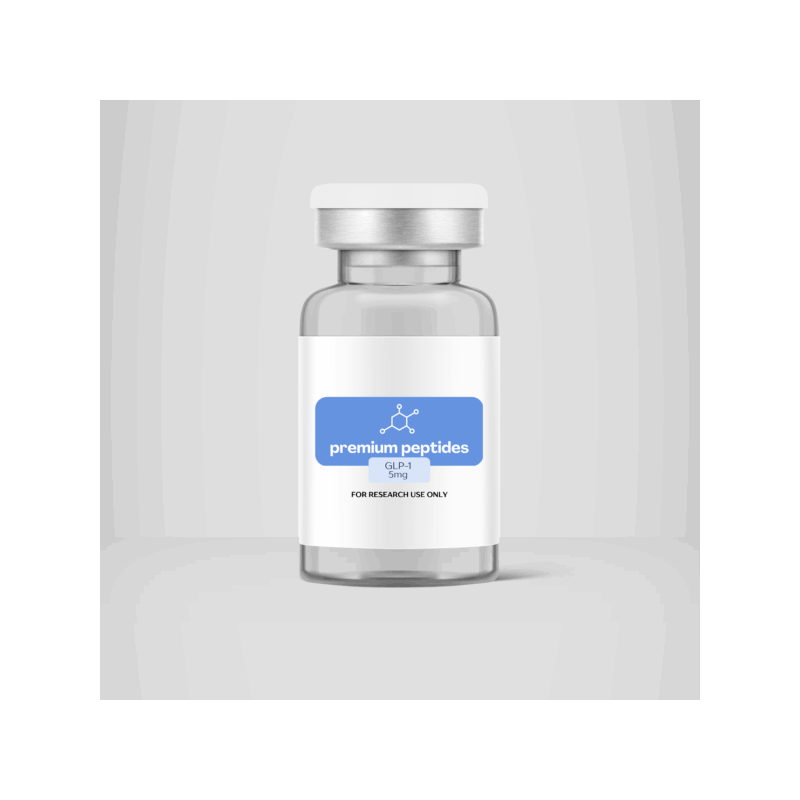

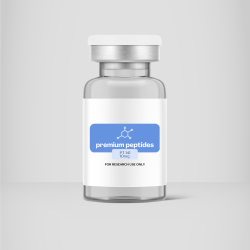
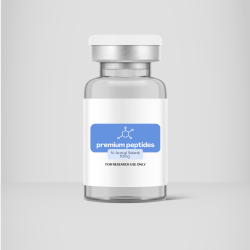
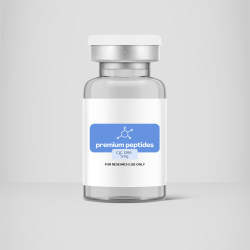
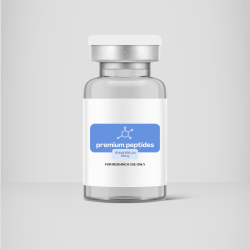
Contents: 5mg in lyophilized (powder) form for maximum stability
*Requires reconstitution with bacteriostatic water
Concentration: >99%
ISO Certified 3rd party testing
Every batch of our peptides comes with a COA (Certificate of Analysis).
 Security policy
We are dedicated to providing fast and reliable shipping options to our international customers.
 Delivery policy
Once your order is placed, we will keep you informed of its progress until you get it finally
 Money Back Guarantee
WE OFFER 24 HOURS REFUNDS IF CUSTOMER IS NOT 100% SATISFIED WITH OUR SERVICE
GLP-1 (glucagon-like peptide-1) receptor agonist that has transformed the landscape of weight management and metabolic health. Originally developed for type 2 diabetes, GLP-1 has gained widespread recognition for its potent effects on appetite regulation, glucose metabolism, and long-term weight loss. By mimicking the natural GLP-1 hormone, it helps regulate blood sugar, reduce cravings, and improve overall metabolic function.
Contents: 5mg in lyophilized (powder) form for maximum stability
*Requires reconstitution with bacteriostatic water
Concentration: >99%
ISO Certified 3rd party testing
Every batch of our peptides comes with a COA (Certificate of Analysis).